

Vivint • Lead Designer • 2025
Seamless onboarding connectivity
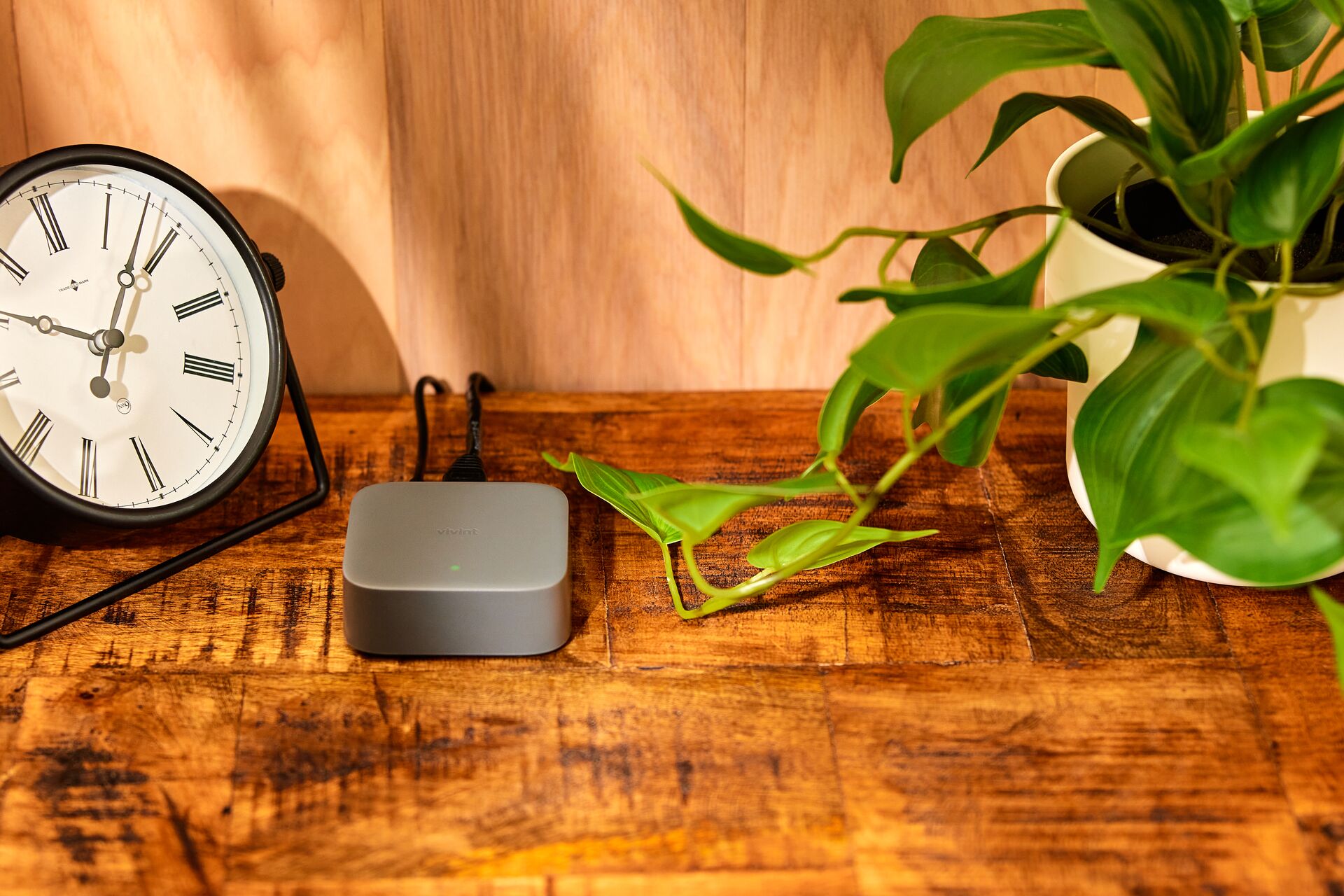
The bridge serves as a crucial communication hub, linking various Vivint products within the ecosystem. Despite its importance, the hardware was managed by a third-party company, restricting Vivint's capacity to update or customize the firmware. The design work focused on streamlining the user experience, enhancing functionality, and accelerating the integration process, resulting in a more seamless experience for users.
0:00 / 0:00
Problem
Proposal
Redesign bridge onboarding and troubleshooting for an improved UX that is faster, more reliable, and easier for users.
Impact & outcomes
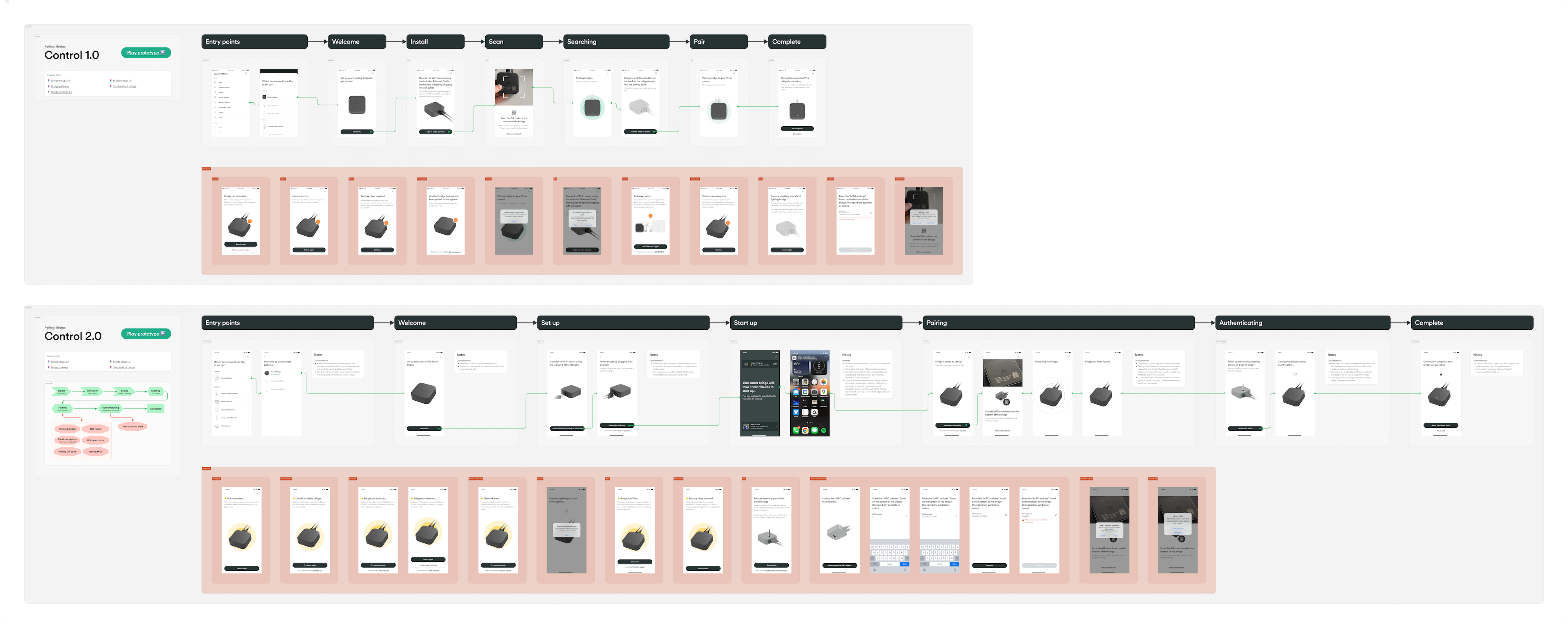
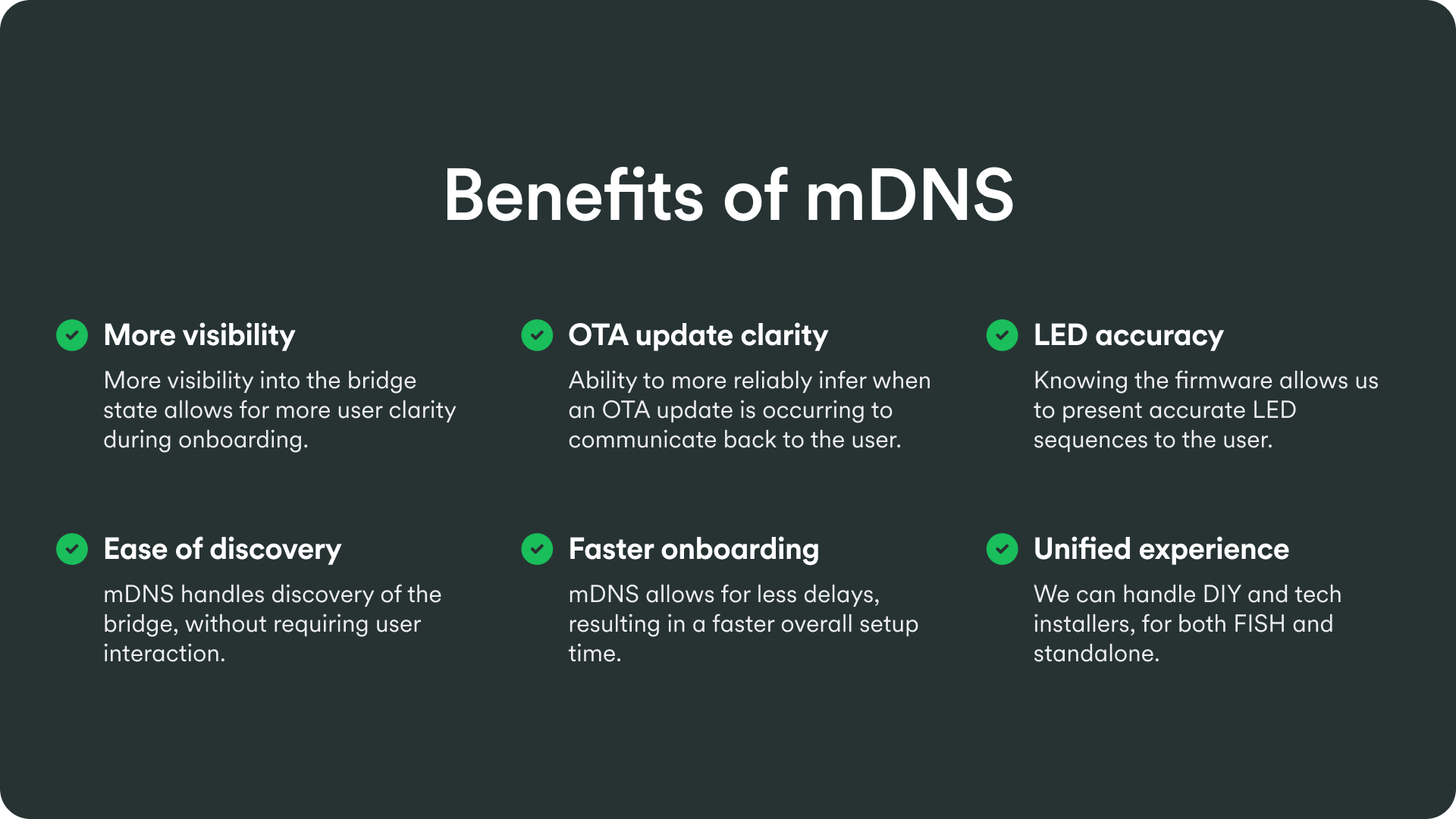
Replacing unreliable QR code scanning with automated mDNS connectivity eliminated critical user friction points, providing real-time visibility into firmware updates and cutting setup time by more than half.
More efficient
2x
Reduced the number of steps from 12 to 6.
Faster setup time
+60%
Faster average setup time: 10m → 4m

Key challenges
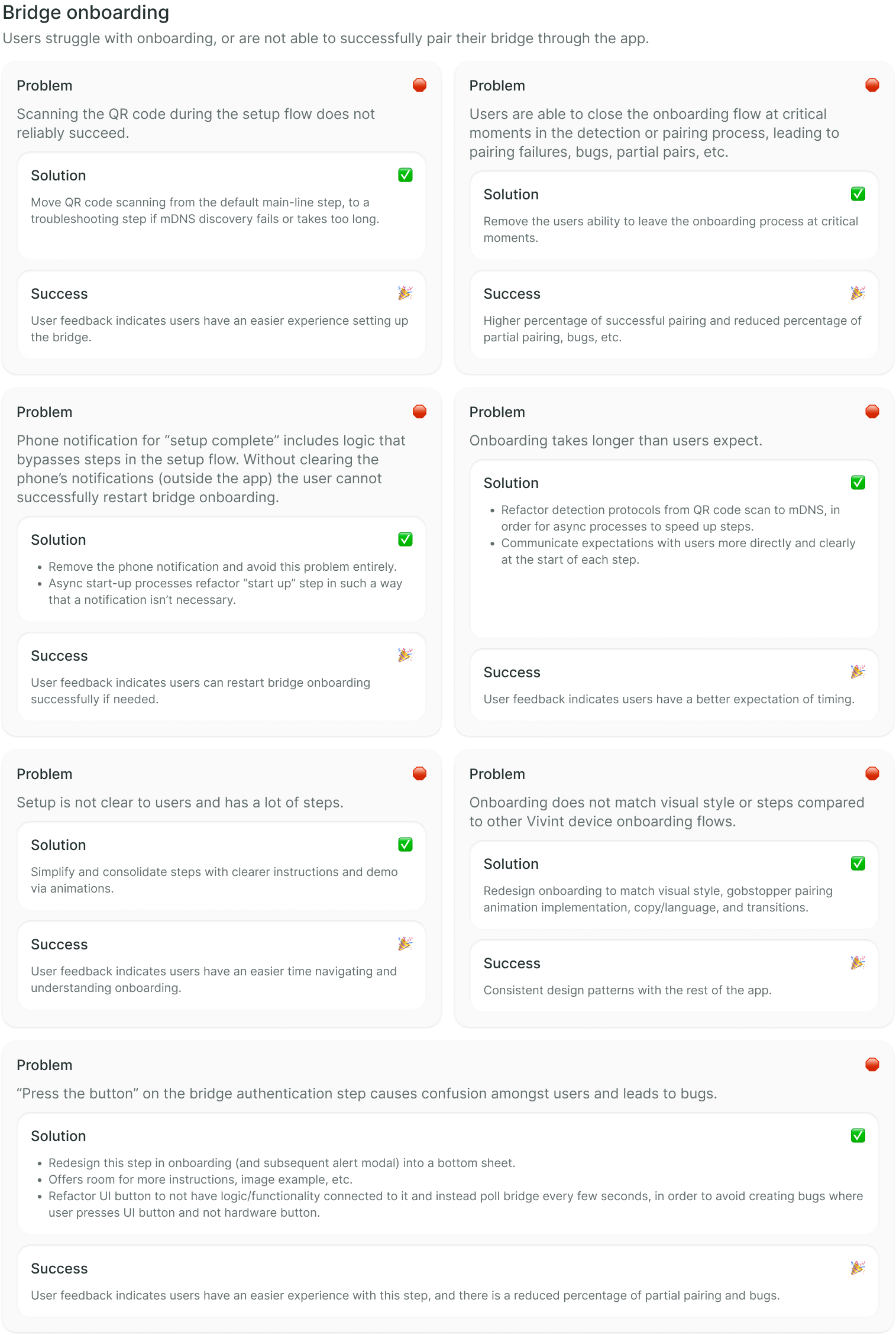
Through extensive beta testing, user feedback, QA audits, and in-house evaluations, our team uncovered significant issues impacting device setup success rates and onboarding times. Our challenge was magnified by the bridge hardware being manufactured by an external third-party vendor—limiting our direct access to the source code. This dependency created substantial friction, as any proposed updates or modifications required routing through this external partner, resulting in prolonged implementation cycles and frequently suboptimal outcomes.
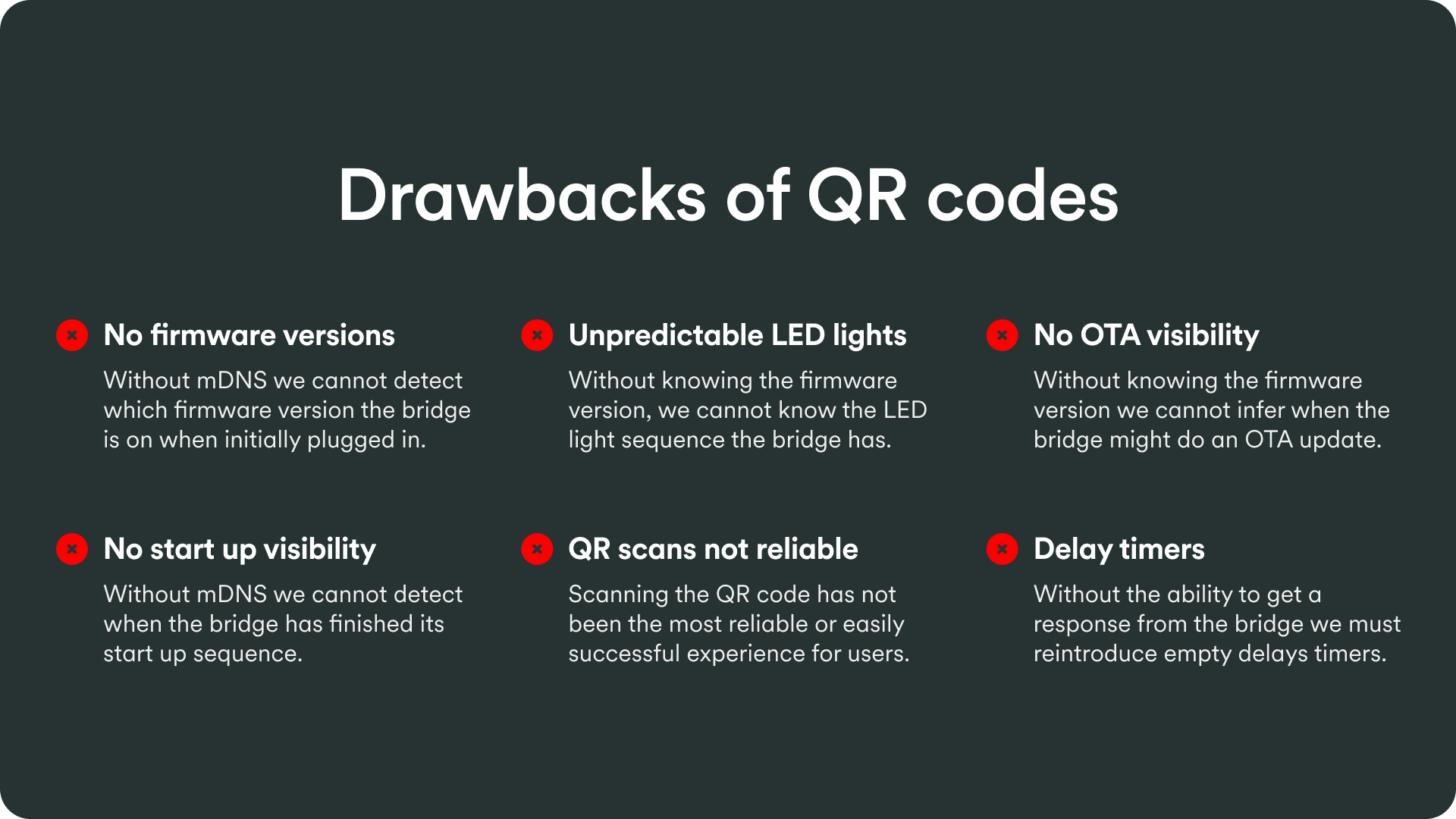
The primary issue was the bridge connection method (scan a QR code or manually enter the local MAC address), which created a significant blind spot—our app had no visibility into the bridge status or firmware updates.
OTA firmware updates
The most severe consequence of the legacy bridge connection protocols are when bridge required over-the-air (OTA) firmware updates. These could take up to 15 minutes to complete, yet the app couldn't detect this activity or communicate it to users. This information gap frequently resulted in confused users abandoning the process, leading to failed onboarding and poor user experiences.
Moving from QR codes to mDNS
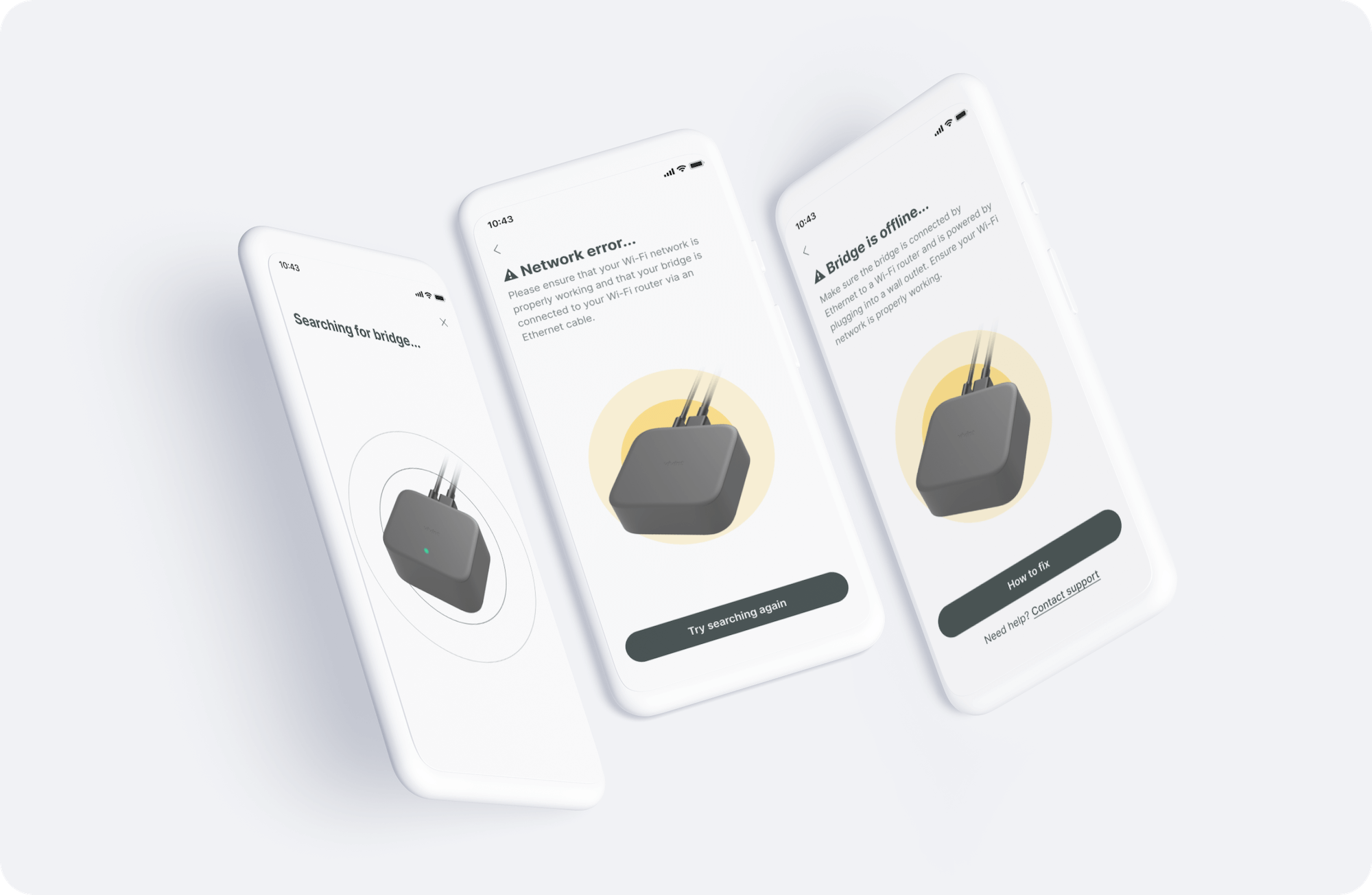
The breakthrough came when we replaced QR code scanning with mDNS connectivity. By leveraging mDNS to automatically discover devices on the same network, we eliminated the entire QR scanning process—resulting in fewer steps and significantly faster connections. Most crucially, mDNS integration provided visibility into over-the-air firmware updates, enabling us to keep users informed about their bridge's current status in real-time.
Skills & competencies
Key areas of expertise and methodologies applied during this project.